How do you know if your outfit works? Start with the whole look, not the price of each piece or the name of an aesthetic. Check the occasion, shape, color, shoes, and accessories, then change one thing at a time. A useful outfit check gives you a decision to make, not a score to chase.
You can love a top and a pair of trousers separately and still feel unsure when you put them together. That does not mean you have bad taste. It means the pieces may be telling different stories. This guide helps you notice where that happens and test a small change before buying something new.
A quick outfit check before you start
Look at your outfit from head to toe in a mirror or a full-length photo. Ask: Where am I wearing this? What do I want people to notice first? Is there one detail I keep wanting to change? Use the seven checks below as prompts, not rules. An unusual combination can be exactly what makes your style feel personal.
1. Give the outfit a job
Choose a situation and a feeling. “Comfortable for a café afternoon” is more useful than “stylish.” “Playful but suitable for class” gives you something to work toward. If you are dressing for a warm day in the Philippines, think about heat, walking, and rain as well as the photo.
For a digital styling look, choose an imagined setting too. A model styled for a gallery opening can wear different shoes and layers from one styled for a relaxed weekend. There is no single outfit that has to work everywhere.
2. Check the shape, not your body
Look at how the clothes sit together. A wide top with wide trousers can look relaxed and deliberate; it does not automatically need a belt. If the shape feels unclear to you, try a partial tuck, a shorter outer layer, or a straighter trouser leg. Compare the result rather than assuming one silhouette is correct.
Pay attention to where hems and layers end. A jacket that stops at the same point as a long top may create a different line from a cropped jacket over that top. Our guide to styling a denim jacket gives you several ways to experiment with layers.
3. Choose a color relationship
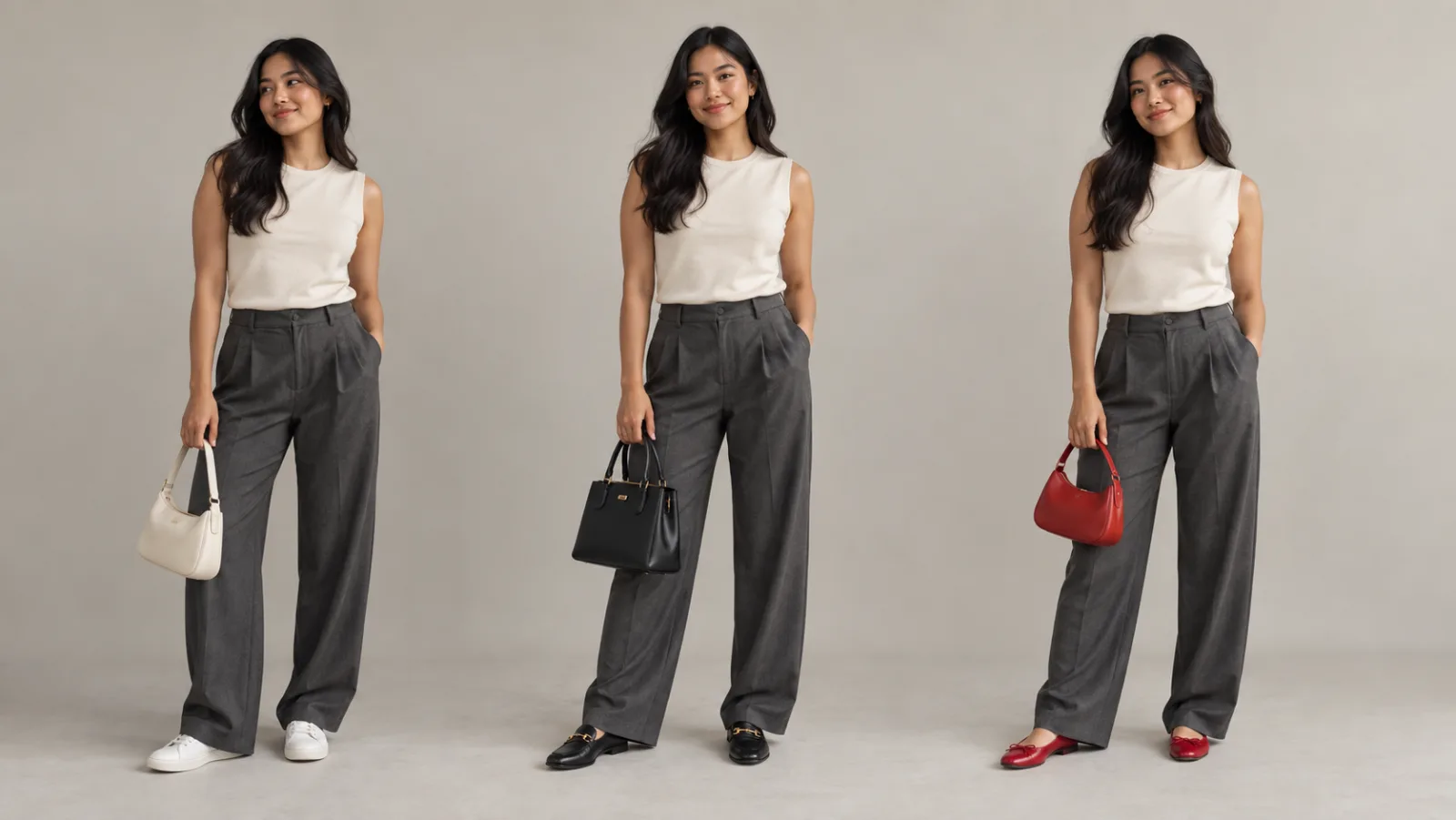
You do not need a strict three-color limit. Instead, decide whether you want a quiet palette, a strong contrast, or one color that draws the eye. Cream and charcoal make a calm base. A red shoe changes the emphasis without requiring a completely new outfit.
Repeat an accent in a small detail if that helps the look feel connected, but matching everything is optional. If you want to explore different combinations, Adobe’s color wheel lets you try color harmonies. Treat it as a source of ideas, not a test that your clothes must pass.
4. Decide what gets attention first
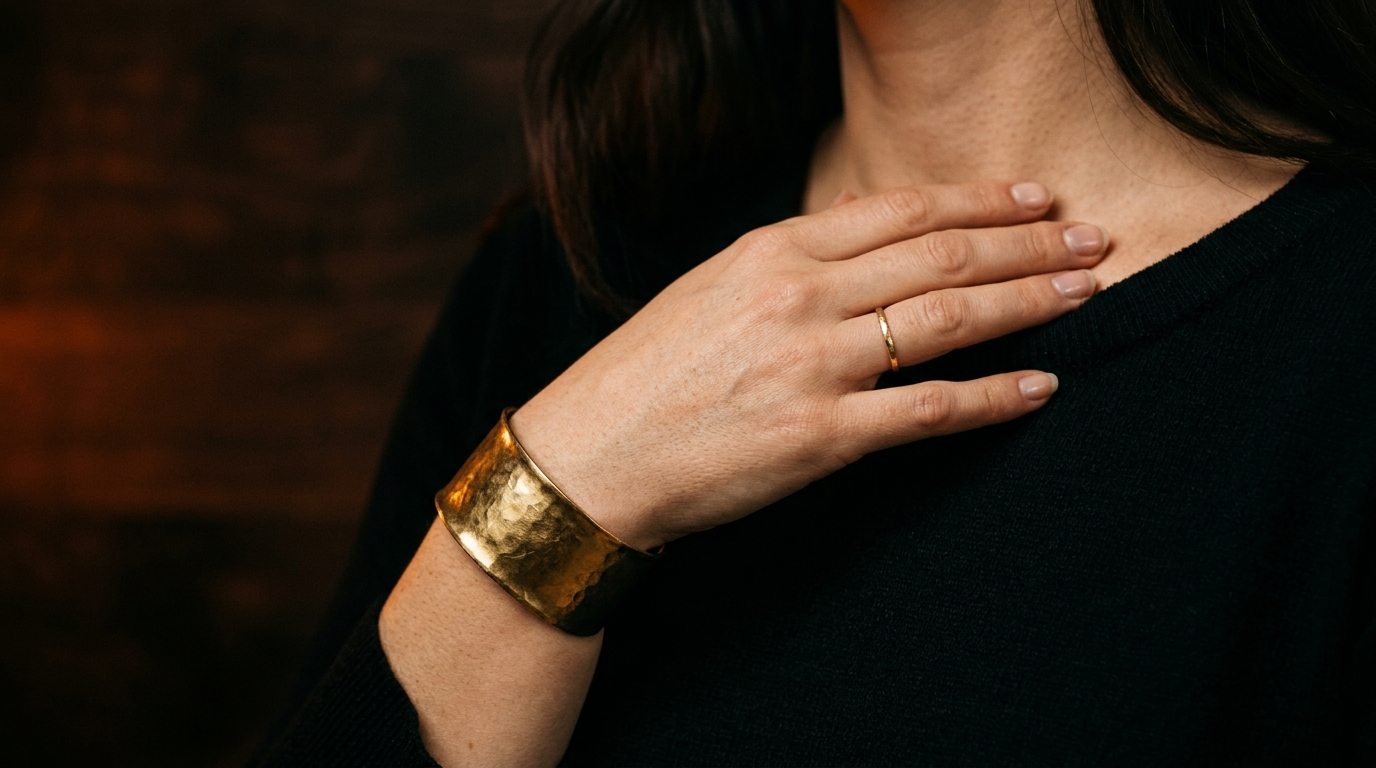
Pick a focal point: a patterned skirt, an interesting jacket, a bold shoe, or a piece of jewelry. Then ask whether the other pieces support it. More than one statement can work, especially if you want a maximalist look. The question is whether the mix feels intentional to you.
Try removing one accessory and comparing both versions. If you prefer the simpler look, keep it. If the extra detail is the part you love, put it back. For ideas beyond adding more necklaces, read how to style gold jewelry.
5. Check the shoes and bag together
Shoes can change the mood of the same clothes. A cream top and charcoal trousers with sneakers may feel relaxed. Black loafers and a structured bag may feel sharper. Red flats and a smaller bag may make the look more playful. None of these is automatically better.
Compare the weight and formality of the accessories. A delicate bag beside a chunky shoe may be a contrast you enjoy, or it may be the mismatch that was bothering you. Our leather-loafer styling guide offers combinations outside office wear.
6. Test comfort and whether it feels like you
For a physical outfit, sit, walk, and raise your arms. Notice any pulling, slipping, or adjustment that would distract you during the day. A digital image cannot tell you whether a fabric is comfortable or whether a real garment fits, so check those things separately before wearing or buying it.
Personal stylist Elysha Lenkin’s outfit-check advice includes comfort, fit, and whether the outfit reflects the person wearing it. Those are useful reminders when trend labels start to matter more than your own preferences.
Ask yourself: Would I still like this if it had no aesthetic name? If the answer is yes, that is worth keeping. If you need inspiration, our guide to TikTok fashion aesthetics explains different visual directions without making you choose one forever.
7. Compare one change and ask a specific question
Keep most of the look the same and change one thing: shoes, jacket, bag, or accessory. Save both versions. This makes it easier to see what the change actually does. Changing everything at once can leave you unsure which decision helped.
Instead of “Is this good?”, ask “Which shoe makes this feel more relaxed?” or “Does the bag pull attention away from the jacket?” A clear question gives someone a way to explain their preference. Likes and votes can show what an audience responds to, but they are not proof of universal good taste.
A 10-minute styling exercise you can repeat
Minutes 1–2: Choose a setting and two words for the mood, such as relaxed and playful. Minutes 3–5: Build a base with a top, bottom, and shoes. Minutes 6–8: Add one focal point, then make an alternative with one change. Minutes 9–10: Compare both and write down what you prefer and why.
Try this with clothes you already own, a simple mood board, or digital styling. If you are starting from your wardrobe, use our guide to wearing trends with pieces you already have. The aim is to practice making decisions, not to create a shopping list.
Try your styling ideas on Reerize
Reerize is a digital fashion-styling platform where you choose a model, build a head-to-toe look, and take part in styling challenges. Entries stay hidden during the joining phase. After that phase ends, the looks are revealed and community voting begins. Feedback through voting arrives later, not immediately after submission.
Our early challenges include Style Her and Just Style. Availability and phases change, so check the current joining challenges rather than relying on a remaining-spots count in this article. Review the individual challenge rules before entering. For a step-by-step overview, see how Reerize styling challenges work.
Use the checklist to decide what you want to create, then see which looks the community prefers when voting opens. A ranking reflects that audience and that challenge. It does not define your worth, your body, or the limits of your creativity.
Frequently asked questions
Does an outfit have to match one aesthetic?
No. You can borrow a color, texture, or shape from different styles. Judge the combination as a whole rather than checking whether every item belongs to the same trend.
Can I improve an outfit without buying new clothes?
Yes. Try changing a tuck, adjusting a sleeve, removing an accessory, or swapping shoes you already own. Compare one change at a time so you can see what you actually prefer.
Can community voting tell me whether I have good style?
It can show which look a particular audience preferred in a particular challenge. It cannot provide an objective verdict on your personal style. Use it as one input alongside your own goals and preferences.
Can digital styling tell me whether clothes will fit?
No. It can help you explore visual combinations, but it is not a guarantee of real-world sizing, fabric behavior, comfort, or product availability.